The Best Body Composition Scales of 2026, Ranked Honestly
The short answer
Best overall: the Hume Body Pod. After eight weeks of daily testing, its retractable hand grip and eight-electrode segmental analysis gave me data that foot-only scales simply cannot produce, with no required subscription and up to 24 family profiles. It is the scale I kept.
Best premium alternative: Withings Body Scan. Best budget pick: Renpho Elis. The full reasoning, and who each one actually suits, is below.
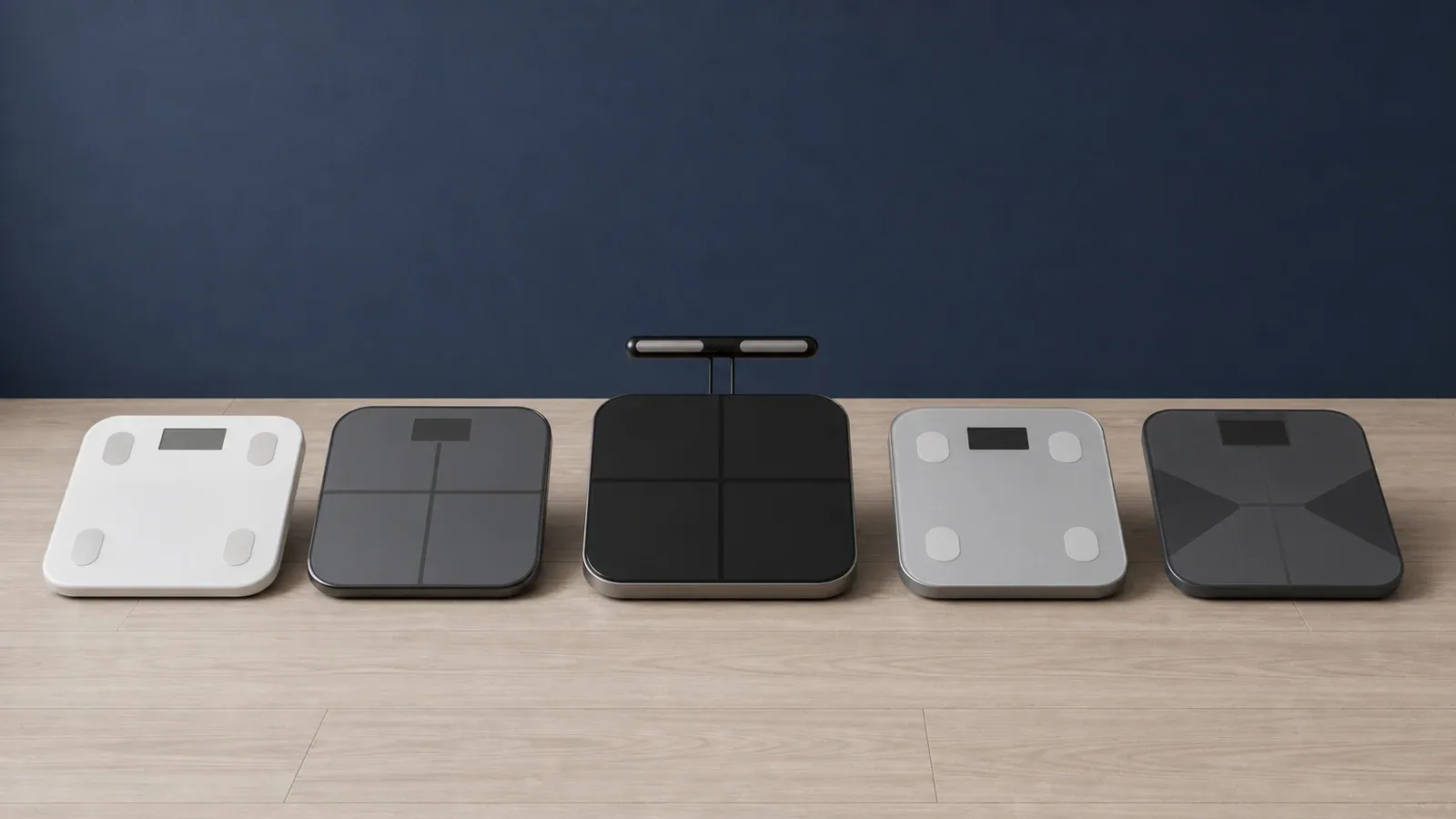
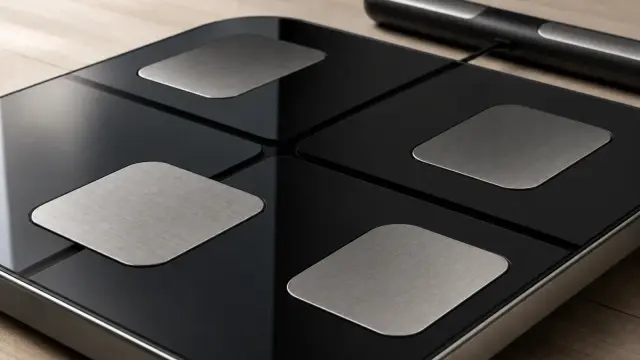
The category in one photo: four scales that guess your upper body, and one with handles that measures it.
Every scale on this list will tell you your weight accurately. That is the easy part, and it stopped being interesting decades ago. The real question is what happens above your ankles: whether the scale can tell you if the weight you are losing is fat or muscle. Some of these can, honestly. Some are guessing. Here is which is which.
How I picked, and what I actually tested
Transparency first. My top pick earned its spot the hard way: eight weeks of daily measurements in my own bathroom, documented in my full Hume Body Pod review. For the rest of the list, I compared sensor hardware, app quality, subscription policies, owner feedback and return terms, the way you would if you had a free weekend and a stubborn streak. I have not lived with all five, and I will not pretend otherwise.
The ranking criteria, in order of weight:
- Sensor hardware. Hand electrodes beat foot-only, every time. This is physics, not marketing.
- Cost honesty. Purchase price plus whatever the app charges you later. Subscriptions hide the real price.
- App and integrations. Data you cannot see or export is data you do not have.
- Household use. Profiles, auto-recognition, and whether the whole family can share it.
1. Hume Body Pod: best overall
The Body Pod is the only scale near its price with a retractable hand grip feeding an eight-electrode segmental system: four sensors under your feet, four in your hands. That means it measures your arms, legs and trunk separately instead of estimating your upper body from your legs, which is what every foot-only scale on this list does. It tracks roughly 45 metrics, supports up to 24 profiles with automatic recognition, syncs with Apple Health, Google Health Connect, Fitbit and Garmin, and its core app is free. One rival does match that hardware for less money, the Oxiline Scale MD Pro, and I compare the two directly in Oxiline vs Hume Body Pod.
The flaws, because there are always flaws: single readings move with hydration like every BIA device, the app occasionally fumbles a sync, and it upsells its optional premium tier more than I would like. Eight weeks in, none of that stopped it from showing me I was gaining muscle while losing fat during a stretch when my old scale insisted nothing was happening. That reframe is what you are actually buying.
List price hovers around $352, and Hume discounts aggressively and often, so check the current offer before paying anything close to list. If the price is what is holding you back, the cost per measurement math is the honest way to decide, and it says no for at least two kinds of buyer.
45-day return window. Full details in the 8-week review.
2. Withings Body Scan: best premium alternative
Withings is the most established name in connected scales, and the Body Scan is its flagship: segmental analysis through a pull-up handle much like the Pod's, plus extras the Pod does not attempt, including a six-lead ECG reading and nerve activity scoring. The app is polished and the brand's track record on long-term software support is excellent.
Why it is not my number one: it typically lists around $399, noticeably above the Pod's street price, and some of its most interesting health features route you toward a Withings+ subscription. If brand maturity matters more to you than price, this is the safest premium choice in the category.
3. InBody Dial H30: the gym pedigree pick
InBody makes the professional machines you have stood on at gyms and clinics, and the Dial H30 brings the same hand-plus-foot segmental method home in consumer form. The pedigree is real, and for some buyers, walking their doctor through readings from a brand the clinic already uses has genuine value.
The trade-offs: it usually costs more than the Pod for a similar sensor approach, its app is more clinical than motivating, and household features are thinner. Pick it if the InBody name specifically matters to you or your trainer.
4. Garmin Index S2: for people already in Garmin's world
The Index S2 is a foot-only scale, so it estimates rather than measures your upper body, and it is honest to say its composition data is a tier below the segmental scales above. What it does brilliantly is live inside Garmin Connect. If your watch, runs, sleep and training load already flow through Garmin, the S2 drops weight and body fat trends into the same graphs with zero friction, typically for around $149.
Buy it for the ecosystem, not for the composition depth.
5. Renpho Elis: best budget pick
Renpho sells more smart scales than almost anyone, and the budget Elis models, often found between $25 and $40, are the reason. You get weight, a serviceable app, and rough body fat estimates from four foot electrodes. The estimates are exactly that, and upper-body numbers are extrapolations.
Here is my honest framing: if what you want is a weight trend plus a curiosity-level body fat number, buy this and spend the difference on protein. If you are actively managing a fat-loss or recomposition phase and the fat-versus-muscle question actually drives your decisions, the budget option will frustrate you within a month.
The comparison, side by side
| Scale | Sensors | Segmental | Typical price | Subscription | Best for |
|---|---|---|---|---|---|
| Hume Body Pod | 8 (feet + hands) | Yes | ~$195-352 | Optional | Fat loss & recomposition, families |
| Withings Body Scan | Feet + handle | Yes | ~$399 | Optional, pushed | Premium buyers, health extras |
| InBody Dial H30 | Feet + hands | Yes | ~$300+ | No | Clinic-brand loyalists |
| Garmin Index S2 | 4 (feet only) | No | ~$149 | No | Garmin ecosystem users |
| Renpho Elis | 4 (feet only) | No | ~$25-40 | No | Weight trends on a budget |
Prices are approximate street prices at the time of writing and change constantly. Always confirm on the official page.
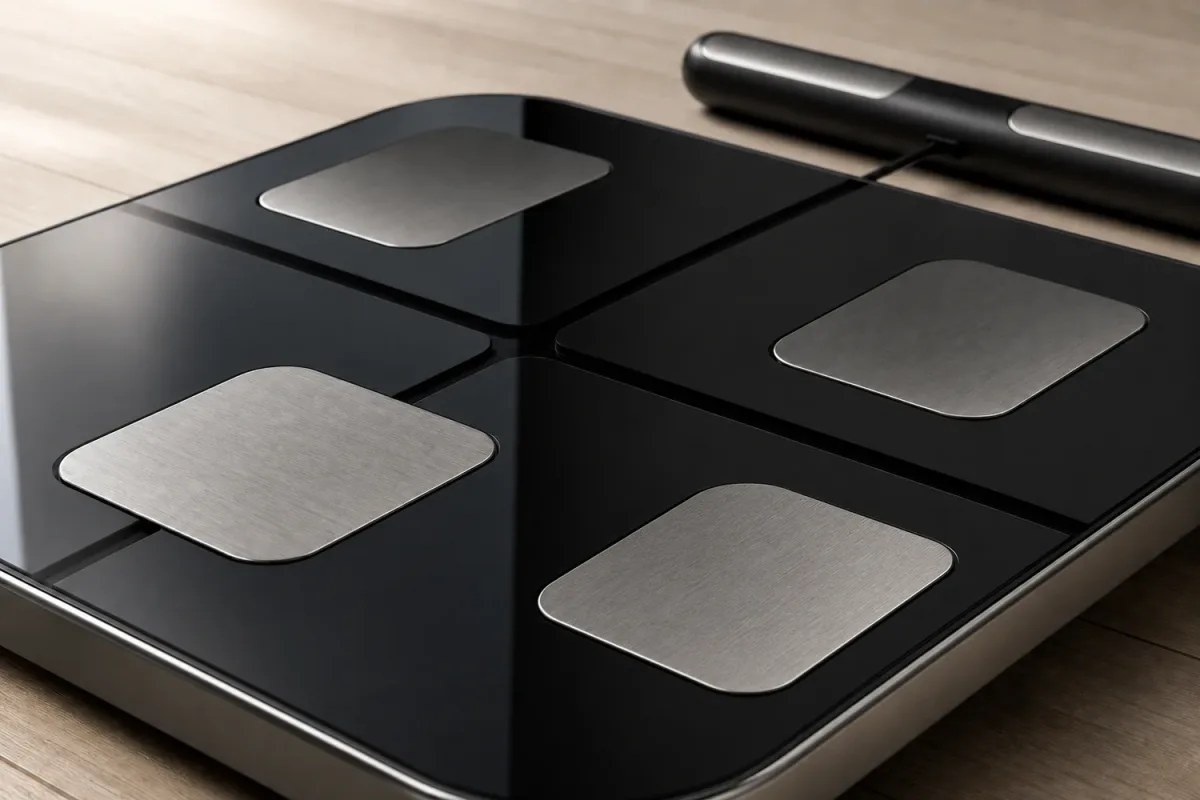
The whole argument in one detail: electrodes you stand on estimate; electrodes you hold measure.
What actually matters when you buy
- Hand electrodes are the dividing line. Everything else is refinement. If body composition is the point, buy segmental or accept that your upper-body numbers are estimates.
- Count the subscription. A cheaper scale that locks insights behind a monthly fee costs more by year two. Ask what the free tier includes before buying anything.
- Check your ecosystem. A scale that will not talk to your watch or health app becomes a silo, and silos get abandoned.
- Plan your routine before it arrives. Same time, same conditions, mornings. The habit determines whether any of these scales is useful; I explained why in Body Pod vs DEXA.
Frequently asked questions
Are body composition scales accurate?
Weight, yes. Composition numbers are BIA estimates that move with hydration and timing. Under consistent conditions the trends are trustworthy; single readings are not gospel on any scale at any price.
Do I really need hand electrodes?
For body composition, they are the single biggest hardware difference. Foot-only scales estimate everything above your waist. If you just want weight, skip the premium and buy budget.
What does a $300 scale do that a $30 one doesn't?
Segmental measurement (arms, legs, trunk separately), multi-frequency analysis, better apps and family features. The $30 scale weighs you just as well.
How often should I measure?
Daily or several times a week, same conditions every time: morning, after the bathroom, before coffee. Consistency beats frequency.
Can I use a BIA scale while pregnant or with a pacemaker?
Manufacturers generally advise against both, because BIA sends a small current through the body. Ask your doctor first, always.
Bottom line
One hardware rule sorts the whole category: scales you only stand on estimate your upper body; scales you also hold measure it. The Hume Body Pod does the second at the price of the first, and that is why it is the one still in my bathroom.
If money is no object and brand maturity comforts you, the Withings Body Scan will not disappoint. If you live in Garmin Connect, the S2 is a no-brainer add-on. If you need a weight trend for $30, Renpho has you covered. And if you want the actual answer to "am I losing fat or losing muscle" without a clinic visit or a subscription, the Body Pod is the best value in the category right now.
Frequent promotions run well below list price. 45-day returns.
Keep reading
 Hume Body Pod Review: I Tracked My Body for 8 Weeks. Here's the Truth
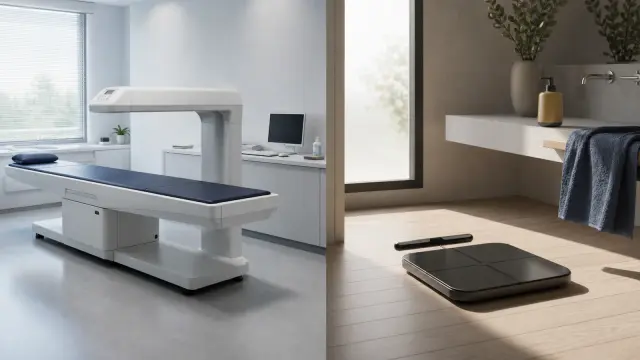 Hume Body Pod vs DEXA Scan: What's the Real Accuracy Difference?
 Hume Body Pod vs InBody, Withings and Renpho: The Three Fights That Matter
- Hume Body Pod: 8 weeks of hands-on daily testing (full methodology in the review)
- Withings, InBody, Garmin and Renpho: official specification pages, app store listings and aggregated owner feedback, checked July 2026
- Prices are approximate street prices at publication and change frequently
- We hold an affiliate relationship with Hume only; no other brand on this list pays us anything, and none saw this ranking before publication.