Hume Band 2.0 Review: Six Weeks of Day-and-Night Wear. Worth It?
The short answer
The Hume Band 2.0 is worth it if what you want is honest sleep, recovery and health-trend data with no screen, no notifications and no required subscription. It disappears on your wrist, runs about ten days per charge in real use, and the free app covers everything most people will actually check.
Skip it if you want a watch face, GPS or training analytics at Whoop's depth. And treat every optical wrist sensor, this one included, as a trend machine rather than a lab instrument.
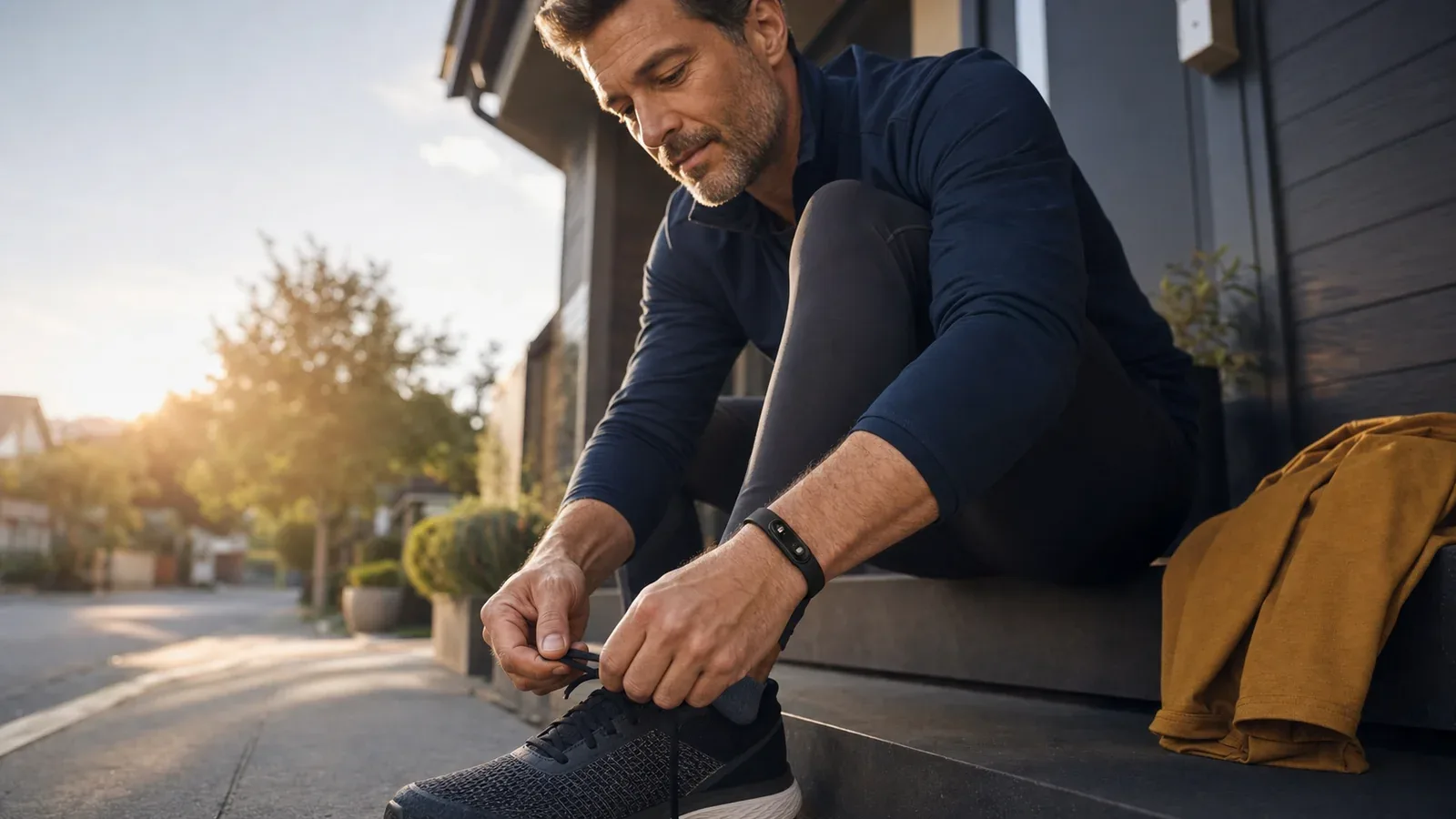
No screen to check, nothing to tap. The Band works while you get on with the morning.
I already wear enough screens. Laptop, phone, the TV I pretend I don't watch. The pitch of a screenless health band, a strap that gathers data all day and says nothing until you ask, appealed to me more than any smartwatch ever has. So after eight weeks of testing the Hume Body Pod, I strapped on its sibling and wore it day and night for six weeks. Here is everything I learned, including the parts Hume would rather I skip.
What the Hume Band 2.0 is
The Hume Band 2.0 is a screenless health tracker from Hume Health, the same company behind the Body Pod smart scale. It is a fabric or silicone strap holding a small sensor pod with five LEDs and four photodiodes pressed against your wrist. No display, no buttons that matter, no notifications. All the data lives in the Hume app.
It watches, continuously: heart rate, heart rate variability, blood oxygen, skin temperature, movement, and your sleep in light, deep and REM stages. From those signals the app builds recovery and strain scores, plus longer-term health trends, including a directional view of blood pressure. It is rated IP68 against water and dust, and Hume claims up to 14 days of battery.
The obvious comparison is Whoop, and I wrote a full one: Hume Band vs Whoop. The one-line version is that they track the same things, but Whoop requires a membership every year and the Hume Band does not. That difference shapes everything else about who should buy which.
Six weeks on my wrist, honestly
Week 1: learning to be ignored
Setup took five minutes: charge on the little dock, pair with the app, put it on. The app tells you to wear it snug, about a finger above the wrist bone, and that advice matters. The first two days I wore it loose like a bracelet and got a heart rate spike during a nap, which is not a thing. Tightened one notch, problem gone.
The strange part of week one is that nothing happens. There is no screen to fiddle with, and the app needs a few nights to calibrate its baselines. Twice I caught myself turning my wrist to check the time on a device that has never told anyone the time. By day five, I stopped noticing I was wearing it, which I have never once said about a smartwatch.
Weeks 2-4: the data starts talking
Once the baselines settled, the morning recovery score became the first thing I checked with my coffee. Most days it matched how I felt. The night it earned my trust: a late dinner with two glasses of wine, and the next morning the app showed my overnight heart rate elevated and my recovery down before I had admitted the wine to myself. These devices do not tell you anything new. They confirm what you are pretending not to know, with numbers.
Sleep staging looked plausible against my own sense of good and bad nights. I cannot verify REM minutes without a sleep lab, and neither can you, so my honest advice is the same one I gave for the Body Pod: trust the direction, not the decimals. When my deep sleep trended down across a stressful week, that trend was real even if any single night's number was an estimate.
Weeks 5-6: the small annoyances
Honesty section. Step counts ran a little under my phone on errand days, close enough for trends, not close enough for step-contest bragging. One morning the app took two tries to sync, the same mild flakiness I saw in the Pod app. Wearing anything 24/7 eventually bugs your skin, so I moved it up my wrist every few days. And the app, here as with the Pod, would very much like me to subscribe to the premium tier and mentions it politely and often.
What it tracks, and how well
| Signal | How much to trust it | Notes from six weeks |
|---|---|---|
| Sleep duration & bedtime | High | Caught bedtime and wake time on its own, every night |
| Sleep stages | Moderate | Plausible patterns; treat stage minutes as estimates |
| Heart rate & HRV | High at rest | Optical sensors are weakest during intense exercise, all brands |
| Recovery score | Useful | Matched felt reality most mornings, including the wine incident |
| Steps & activity | Moderate | Slight undercount vs phone; fine for trends |
| Blood pressure trends | Directional only | Interesting to watch, never a substitute for a cuff |
A note on the marketing. Hume positions the Band as an early warning system for your health. The fair version of that claim: it surfaces trends you might not feel yet, like creeping resting heart rate during a run-down week. The unfair version would be expecting it to detect illness or replace medical tests. It does not diagnose anything, and Hume's own terms say the data is for wellness purposes.
Battery and charging, honestly
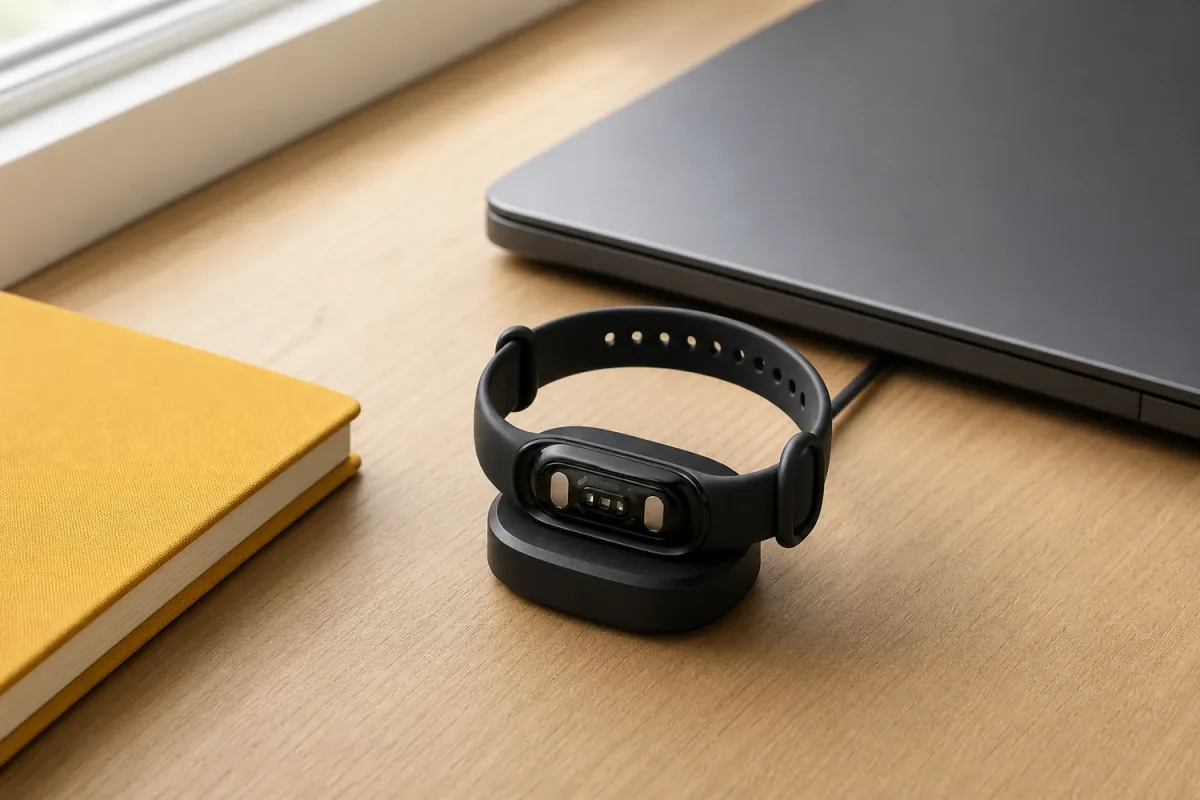
Roughly three visits to the dock per month. My smartwatch friends are jealous.
Hume says up to 14 days. My six-week average was 10 to 11 days per charge, wearing it around the clock with everything enabled. That is short of the headline and still excellent: it means the Band needs the dock about three times a month, for about an hour. Nightly-charge devices make you choose between sleep data and battery. This one does not.
One practical tip: charge it during your morning routine, not overnight. You keep the sleep data and the Band is back on your wrist before you leave the house.
The subscription question, clearly
You buy the Band once. List price hovers around $356, and like the Pod, Hume discounts constantly; I have seen it near $249 and would not pay list. After that, sleep, recovery, heart data and trends are free in the app, permanently.
The optional premium tier (around $99 a year) adds AI-driven guidance, deeper reports and coaching-style recommendations. I ran the free tier for the entire test and never felt locked out of the data I bought the device for. Certain premium bundles also include hardware upgrades every couple of years; check the current terms, because offers shift. The point stands: the subscription is a choice here, not a toll. If you want to see why that matters so much, read the five-year math in the Whoop comparison.
Pros and cons after six weeks
- Genuinely comfortable; I stopped noticing it by day five
- No required subscription; core data is free after purchase
- Recovery scores that matched felt reality most mornings
- Ten-plus day battery in real use, one-hour charges
- IP68 rating that survived a forgotten shower
- Pairs with the Body Pod in one app for a full body picture
- 45-day return window and 1-year warranty
- Step counts run slightly low against a phone
- Occasional app sync hiccups, same as the Pod app
- Persistent premium-tier upselling inside the app
- No GPS and no screen, by design, but know what you are buying
- Sleep stage minutes are estimates, not lab data
- "Early warning system" marketing oversells a trend tracker
Who should buy it, and who shouldn't
Buy it if:
- You want sleep and recovery data without wearing another screen
- You resent subscriptions and want to own your tracker outright
- You are already using the Body Pod and want the other half of the picture
- You care about long-term health trends more than workout-by-workout analytics
Skip it if:
- You want notifications, timers or a watch face; that is a smartwatch's job
- You are a data-hungry athlete; Whoop's analytics go deeper, for a yearly price
- You need GPS for runs and rides without your phone
- You expect medical readings from a wrist sensor; no band delivers that
Frequently asked questions
Is the Hume Band worth it?
For screen-free sleep and recovery tracking without a mandatory subscription, yes. For smartwatch features or deep training analytics, no. Know which buyer you are.
Does the Hume Band require a subscription?
No. Core data is free after purchase. The premium tier (about $99 a year) is optional, and I never needed it during six weeks of testing.
Is the Hume Band waterproof? Can you shower with it?
It is IP68 rated. My forgotten-shower test went fine. For long swims, check the current guidance in the app, and expect straps to age faster with hot water and soap.
How long does the Hume Band battery really last?
About 10 to 11 days per charge in my continuous use, against an advertised 14. Charging takes roughly an hour on the dock.
Does the Hume Band track steps and workouts?
Yes, along with activity and workouts detected by motion and heart rate. My counts ran slightly below my phone's, fine for trends.
Does the Hume Band measure blood pressure, and how accurate is it?
Trends only, meaning directional estimates over weeks, not cuff-level accuracy. Keep the cuff. Never make a health decision from a wrist band.
Does the Hume Band tell time?
No. There is no screen at all. I reached for it twice in week one out of habit and got exactly nothing, which is the whole idea.
How should you wear the Hume Band?
Snug, about a finger's width above the wrist bone, sensor flat on the skin. Loose wear is the top cause of weird readings on any optical tracker, this one included.
Final verdict
6 weeks · 42 nights · 4 charges: comfortable enough to forget, honest enough to trust the trends, and cheap enough over time to make the big names sweat. The flaws are real and none of them made me take it off.
Lab score: 4.3 / 5 · points off for battery that trails the advertised 14 days and step counts that run low
The Hume Band 2.0 does the unglamorous thing well: it watches quietly, charges rarely, and tells you the truth about your sleep and recovery each morning without asking for attention or an annual fee. The app needs polish, the marketing needs restraint, and step counters exist that count better. None of that changed my morning routine, where the recovery score now sits next to the coffee as a small, useful fact about the day ahead.
Buy it for what it is, a trend machine you own outright, and it is one of the easiest recommendations in this category.
Hume runs frequent promotions below list price. 45-day return window.
Keep reading
 Hume Band vs Whoop: One Difference Decides It for Most People
Comparison · 8 min read
Hume Band vs Whoop: One Difference Decides It for Most People
Comparison · 8 min read
 Hume Band vs Oura Ring: Jewelry or Tool?
Comparison · 8 min read
Hume Band vs Oura Ring: Jewelry or Tool?
Comparison · 8 min read
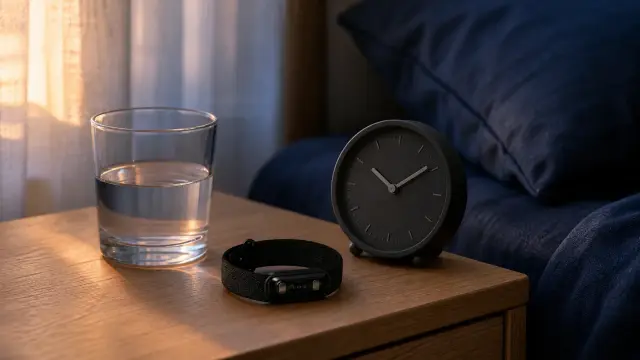 The Best Wearables for Sleep and Recovery (2026)
Buying guide · 7 min read
The Best Wearables for Sleep and Recovery (2026)
Buying guide · 7 min read
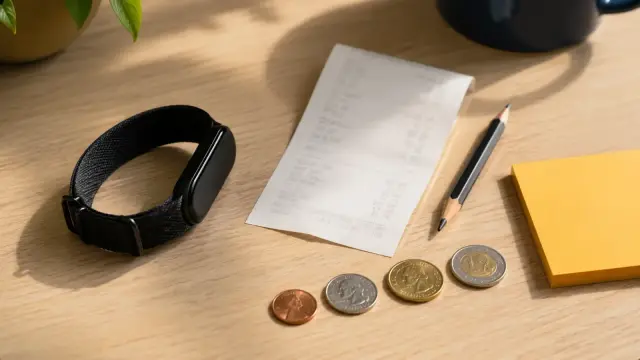 Is the Hume Band Worth It? Let's Do the Nights Math
Value check · 7 min read
Is the Hume Band Worth It? Let's Do the Nights Math
Value check · 7 min read
- Hume Health official Hume Band 2.0 page: specifications, IP68 rating, battery claim and pricing (humehealth.com)
- Hume Health app listings for premium tier pricing
- Testing notes: six weeks of continuous day-and-night wear, free app tier, worn alongside the Hume Body Pod; battery averaged over four full charge cycles.
- Prices and bundle terms change often; confirm on the official page before buying.