Is the Hume Body Pod Worth It? Let's Do the Math Nobody Does
The short answer
At its usual promotional price, yes, it is worth it for anyone actively changing their body who will measure consistently. The eight-electrode segmental analysis does something no $30 scale can: it measures your arms and trunk instead of guessing them, so you can see whether weight loss is fat or muscle.
It is not worth it at full list price, and not worth it at any price if you only want your weight, or if you know daily number fluctuations will stress you more than they inform you. Honesty saves everyone money.

The exact pose this article exists for.
"Worth it" is a different question from "good." I spent eight weeks testing the Hume Body Pod for my full review, and it earned a permanent spot in my bathroom. But plenty of good products are bad purchases for the wrong buyer, and a $200-plus scale deserves the skeptical arms-crossed stare before the checkout click. So let's price it properly.
What you are actually paying for
Strip the branding and you are buying three things:
- Hardware: a load-cell scale with eight electrodes, four under your feet and four in a retractable hand grip. The grip is the entire premium; it turns upper-body guesswork into actual measurement.
- The analysis: around 45 metrics per 40-second reading, including segmental fat and muscle for each limb, visceral fat rating and trend charts.
- The app, free tier included: core data costs nothing after purchase. The optional Hume Plus tier (about $99 a year) adds AI insights you can comfortably live without. I did, for six of my eight test weeks.
List price sits around $352. In practice Hume discounts constantly and aggressively; I have seen it near $195, and I would not pay list when the promo cycle is this reliable. Everything below assumes a realistic street price in the $195 to $250 range.
Does it actually work?
Yes, with one asterisk that applies to the entire category. The Pod uses bioelectrical impedance (BIA), which reads your body through its water. Hydration, meals, training and time of day all move individual readings. Measured sloppily, it looks broken. Measured consistently, same time every morning, the trends are solid, and those trends are the product.
My own eight weeks: weight moved 3.5 lb, which my old scale would have called failure. The Pod showed 5.8 lb of fat down and 2.3 lb of muscle up. Direction confirmed by belt, mirror and gym numbers. That is what "works" means here: not lab precision per reading, but honest direction you can act on. For the accuracy deep-dive, see Body Pod vs DEXA.
Legit or scam? The fair answer
Fair question, since the internet is carpeted with scale brands that appear, sponsor forty influencers and vanish. The short version: the Hume Body Pod is a real product from a real US company, Hume Health, which grew out of the FitTrack scale brand rather than appearing from nowhere. There is a 45-day return window and a 1-year hardware warranty. That is not scam architecture.
Now the honest part. Real owner complaints exist and cluster in three places:
- App friction. Bluetooth pairing hiccups and occasional sync failures. I hit both during testing; both were annoying and neither was fatal.
- Reading variability. Usually from inconsistent measuring conditions, sometimes genuinely puzzling. BIA physics, mostly.
- Refund speed. Returns require contacting support for authorization first, and some owners report the process moves slower than they would like.
None of that says scam. It says a mid-sized company whose software and support have rough edges, selling hardware that does what the physics allows. Buy it knowing exactly that.
The cost-per-measurement math
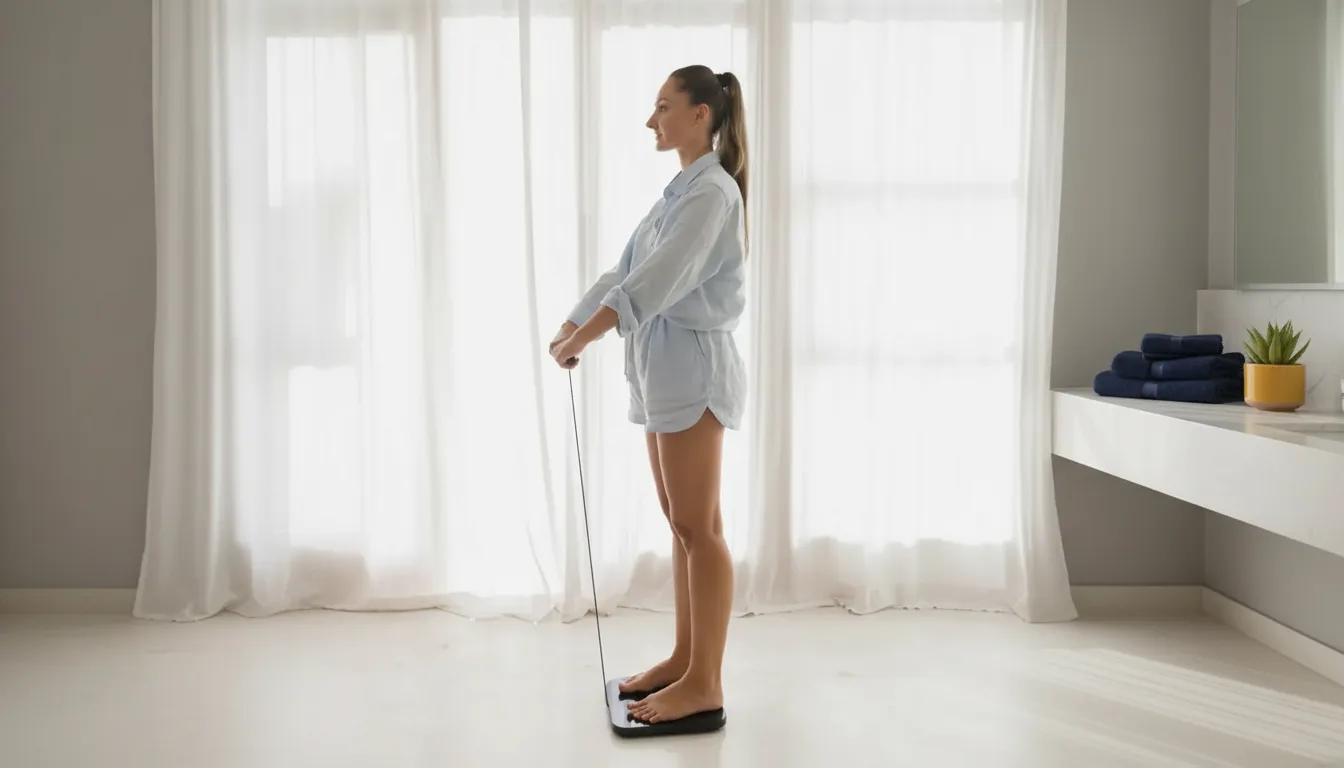
Sixty seconds a morning. The math below assumes you actually do this.
Here is the framing that settled it for me. Say you pay $225 and measure five mornings a week for one year: roughly 260 measurements, or about 87 cents each, dropping toward pennies every year the scale survives past the first.
The alternatives for comparable data: a DEXA scan runs $40 to $150 per visit, and an InBody scan at a gym or clinic typically costs $15 to $50 when it is not bundled into a membership. Four DEXA visits a year cost more than the Pod, for four data points instead of two hundred and sixty. The Pod is not competing with your $25 bathroom scale; it is competing with the measurement services, and against those it wins on price within the first year.
When it is NOT worth it
- You only want your weight. A $25 scale does that perfectly, and nothing about the Pod will change your life.
- Daily fluctuations spike your anxiety. This device produces forty-five numbers a day if you let it. If numbers own you rather than inform you, do not invite more of them into the bathroom.
- You expect medical precision. Single BIA readings are estimates. If you need clinical numbers, book a DEXA and skip the home category entirely.
- You are paying full list price. The promo cycle is frequent enough that paying $352 is a self-inflicted wound. Wait a week.
Worth-it scenarios, buyer by buyer
| Buyer | Worth it? | Why |
|---|---|---|
| Actively losing weight, 40+ | Yes, strongly | The fat-vs-muscle answer protects your metabolism during the loss |
| Recomposition / lifting | Yes | Segmental data shows muscle change the scale number hides |
| On a medical weight-loss program | Yes | Frequent composition data between clinical check-ins |
| Families sharing one device | Yes | 24 auto-recognized profiles make the price per person trivial |
| Casual weigh-ins only | No | Buy the $25 scale, spend the rest on shoes |
| Data-anxious weighers | No | More numbers will not help; consider no scale at all |
Frequently asked questions
Is the Hume Body Pod worth the money?
At promo prices, yes, for active body-changers who will measure consistently. At list price or for casual weighing, no.
Is it legit or a scam?
Legit: real US company with FitTrack heritage, 45-day returns, 1-year warranty. Real but non-fatal complaints exist around app sync and refund speed.
Does it actually work?
Yes, as a trend instrument. Consistent-condition measurements produce reliable direction. No home scale delivers clinical precision per reading.
What does Reddit think?
Split by expectations: single-reading perfectionists are frustrated, trend-trackers are satisfied, and everyone grumbles about the app sometimes. Matches our testing exactly.
Is the Hume scale worth it if I already own a cheap smart scale?
That depends on what your current scale leaves out. If it only has foot electrodes, it measures your legs and estimates everything above your waist, so arm and trunk muscle is a guess. Upgrading is worth it if you lift or are trying to hold muscle while losing fat, because that is exactly the change a foot-only scale hides. If you already track weight happily and never look at composition, keep the scale you have and spend the money elsewhere.
Is there a cheaper equivalent?
Cheaper, yes. Equivalent, mostly no. Foot-only budget scales estimate your upper body instead of measuring it. The one real exception is the Oxiline Scale MD Pro, which has the same hand grip and eight electrodes for less money, though its app has drawn criticism the Body Pod has not. See the full ranking.
Verdict
The scale holds up its end at street price. The condition is you: sixty consistent seconds a morning, trends over decimals. Meet it, and this is some of the cheapest useful health data you can buy.
I went into the original test skeptical of exactly this question, and the answer that survived eight weeks is boring and true: the Hume Body Pod is worth it the way a gym membership is worth it. The tool is priced fairly for what it measures; the value is decided by the showing up. If you will show up, buy it on promo with the 45-day window as your safety net. If you will not, no scale at any price was going to be worth it, and you have my blessing to spend the money on something fun.
45-day return window applies if it turns out you are the wrong buyer.
Keep reading
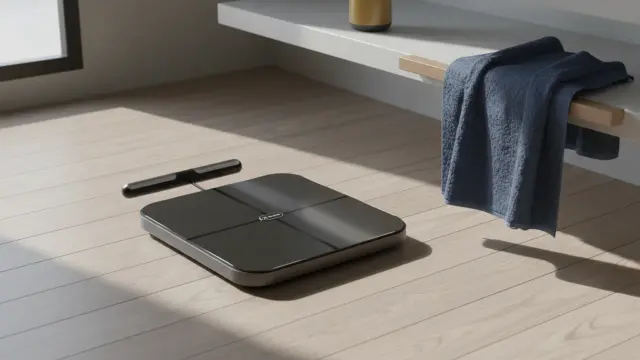 Hume Body Pod Review: I Tracked My Body for 8 Weeks. Here's the Truth
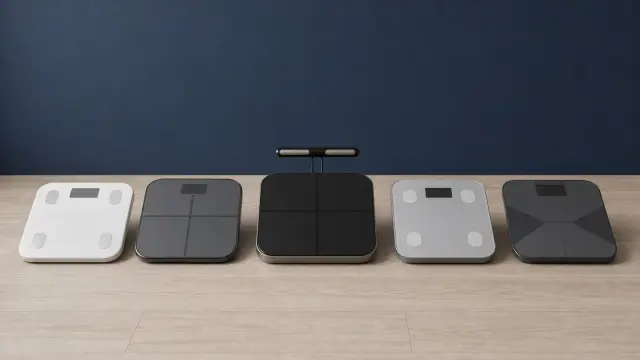 The Best Body Composition Scales of 2026, Ranked Honestly
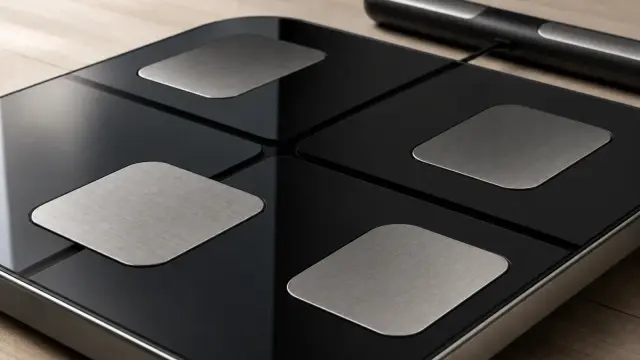 Hume Body Pod vs InBody, Withings and Renpho: The Three Fights That Matter
- Hands-on data: 8 weeks of daily testing (methodology in the full review)
- Hume Health official pricing, return and warranty terms (humehealth.com)
- DEXA and InBody per-scan pricing: typical US provider ranges, checked July 2026
- Owner sentiment: aggregated from public owner communities and marketplace reviews; individual experiences vary.