Is the Hume Band Worth It? Let's Do the Nights Math
The short answer
Yes, for most people who want sleep and recovery data without a screen and without a subscription. On a typical promotion the Hume Band 2.0 works out to roughly 15 cents per tracked night over five years. The subscription trackers cost three to four times that over the same period, for largely the same overnight signals.
It is not worth it for three specific buyers: people who want GPS and a screen (buy a watch), athletes who live in strain analytics (buy Whoop and accept the bill), and anyone who will not wear something on their wrist at night. Everything else is detail, and the details are below.

The whole cost of ownership after purchase: a charger visit every ten days or so.
Sticker prices lie in this category. A $250 tracker can be the cheap option and a $30 one can be expensive, because the real cost of a health wearable is what it takes from you across the years you wear it: money, charging rituals, and subscriptions that outlive your enthusiasm. So instead of asking whether the Hume Band is worth its price tag, let me ask the sharper question I asked after six weeks of wearing one: what does a night of data actually cost?
The nights math nobody does
A sleep tracker's product is tracked nights. Five years of ownership is roughly 1,825 of them. Here is what each night costs, using typical prices at the time of writing:
| Device | Five-year cost (typical) | Cost per tracked night |
|---|---|---|
| Hume Band 2.0 (promo ~$249) | ~$249, one purchase | ~14¢ |
| Hume Band 2.0 (list ~$356) | ~$356, one purchase | ~20¢ |
| Oura Ring (ring + membership) | ~$700 | ~38¢ |
| Whoop (membership model) | ~$1,000+ | ~55¢+ |
Prices are approximate street prices and current membership rates at publication; both change often. Confirm on each official page.
Two honest caveats on the Band's side of that table. First, it assumes the hardware survives five years; it carries a 1-year warranty, and no long-term reliability data exists yet for a product this new. Second, it assumes you keep wearing it, which is the real risk with every tracker ever made. The math only works on a wrist, not in a drawer.
What you actually get for the money
The one-time price buys the full overnight package: sleep stages, heart rate, HRV, skin temperature, blood oxygen, a morning recovery score, and blood pressure trends (directional, not medical). In my six-week review, the recovery score matched how I felt on most of my 42 tracked nights, caught the elevated heart rate after a late dinner with wine before I had admitted the wine to myself, and survived a forgotten shower thanks to the IP68 rating.
What the money does not buy, stated plainly: a screen, GPS, notifications, or the deep training analytics that make Whoop worth its bill for serious athletes. Steps count slightly low against a phone. The app still has rough edges and occasionally nags about the optional premium tier. I list every one of these in the review's cons, and none of them changed my verdict.
Legit or scam? The fair answer
Fair question for a brand most people met through an ad. Hume Health is a real company that grew out of the FitTrack scale business, ships real hardware at scale, and runs a real support operation. I tested the Band and the Body Pod for weeks each; both are legitimate products that do what they claim, within the honest limits of consumer sensors.
The real complaints, because they exist: app sync bugs (I hit a few), refund processing that owner feedback describes as slow, and marketing that oversells, like the "early warning system" framing I pushed back on in the review and battery claims that run about three days ahead of reality. Scam, no. A young company whose software and marketing lag its hardware, yes.
Worth it for you? Six buyer scenarios
| You are... | Worth it? | Why |
|---|---|---|
| Trying to fix your sleep and stress with data | Yes | This is the core use case: overnight signals plus a morning score, no fee. |
| Subscription-fatigued but want health trends | Yes | Buy once is the whole pitch, and it holds up. |
| Already tracking body composition with a Pod | Yes | Both devices feed one app: what your body does plus what it is made of. |
| A runner or cyclist who needs GPS | No | The Band has none. Buy a Garmin or an Apple Watch. |
| An athlete who wants strain coaching | No | Whoop's analytics are deeper; that is what its membership buys. |
| Hoping a gadget will fix sleep by itself | No | No tracker fixes anything. It shows you the pattern; the fixing is yours. |
Frequently asked questions
Is the Hume Band worth it?
For screen-free sleep and recovery tracking without a subscription, yes, and the per-night math above is the argument. For GPS, displays or deep training analytics, no.
Does the Hume Band have a monthly fee?
No. Core data is free after purchase. The optional premium tier adds AI insights; I finished my whole test without it.
Is Hume Health a legit company?
Yes: real company, real hardware, real support, plus real complaints about app sync and refund speed. The 45-day return window is genuine but requires contacting support first.
How long does the Hume Band last?
Ten to eleven days in my real-world use, against 14 advertised. Charges take about an hour. Still weeks-class battery, just not the brochure number.
Is the Hume Band better than a smartwatch for sleep?
At night, yes: no screen glow, nothing to charge daily, light enough to forget. For everything else a watch does, buy a watch.
What is the Hume Band return policy?
45-day returns with support authorization, 1-year warranty. Start the return early; refund processing has a slow reputation.
Verdict
If you can live without a screen and GPS, and if trends are what you want rather than coaching: the Band delivers the overnight essentials at around 15 cents a night, and nothing else in the category touches that number.
Six weeks in, the Band earned the least glamorous compliment I can give a gadget: I stopped thinking about it. It watches, it charges rarely, it reports honestly, and it has never asked for money since the day it arrived. If that sounds like what you wanted from a health tracker all along, the math is already done.
45-day return window applies if it turns out you are the wrong buyer.
Keep reading
 Hume Band 2.0 Review: Six Weeks of Day-and-Night Wear. Worth It?
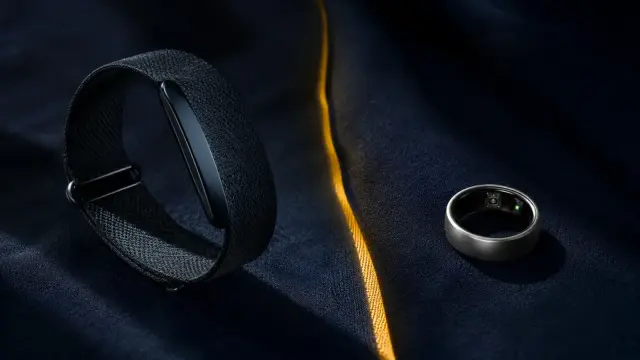 Hume Band vs Oura Ring: Jewelry or Tool?
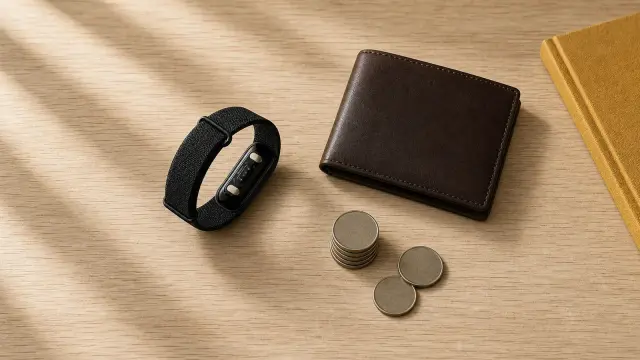 The Best Fitness Trackers Without a Subscription (2026)
- Testing notes: six weeks and 42 nights of continuous Hume Band 2.0 wear, free app tier (full methodology in the review)
- Hume Health official pricing, return and warranty terms (humehealth.com), checked July 2026
- Whoop and Oura pricing from official pages, checked July 2026; five-year figures are estimates at current rates
- Prices and terms change often; confirm on each official page before buying.