Hume Band vs Oura Ring: Jewelry or Tool?
The short answer
These two watch the same things while you sleep: heart rate, HRV, temperature, sleep stages, recovery. The Oura Ring does it from your finger with the most polished sleep app in the category, and charges a monthly membership to show you most of what it collects. The Hume Band 2.0 does it from your wrist, keeps the core data free after one purchase, and survives a barbell.
Pick Oura if discretion and app refinement are worth a recurring fee to you. Pick the Hume Band if you lift, if you resent subscriptions, or if you want your sleep tracker and your body composition scale feeding the same app.
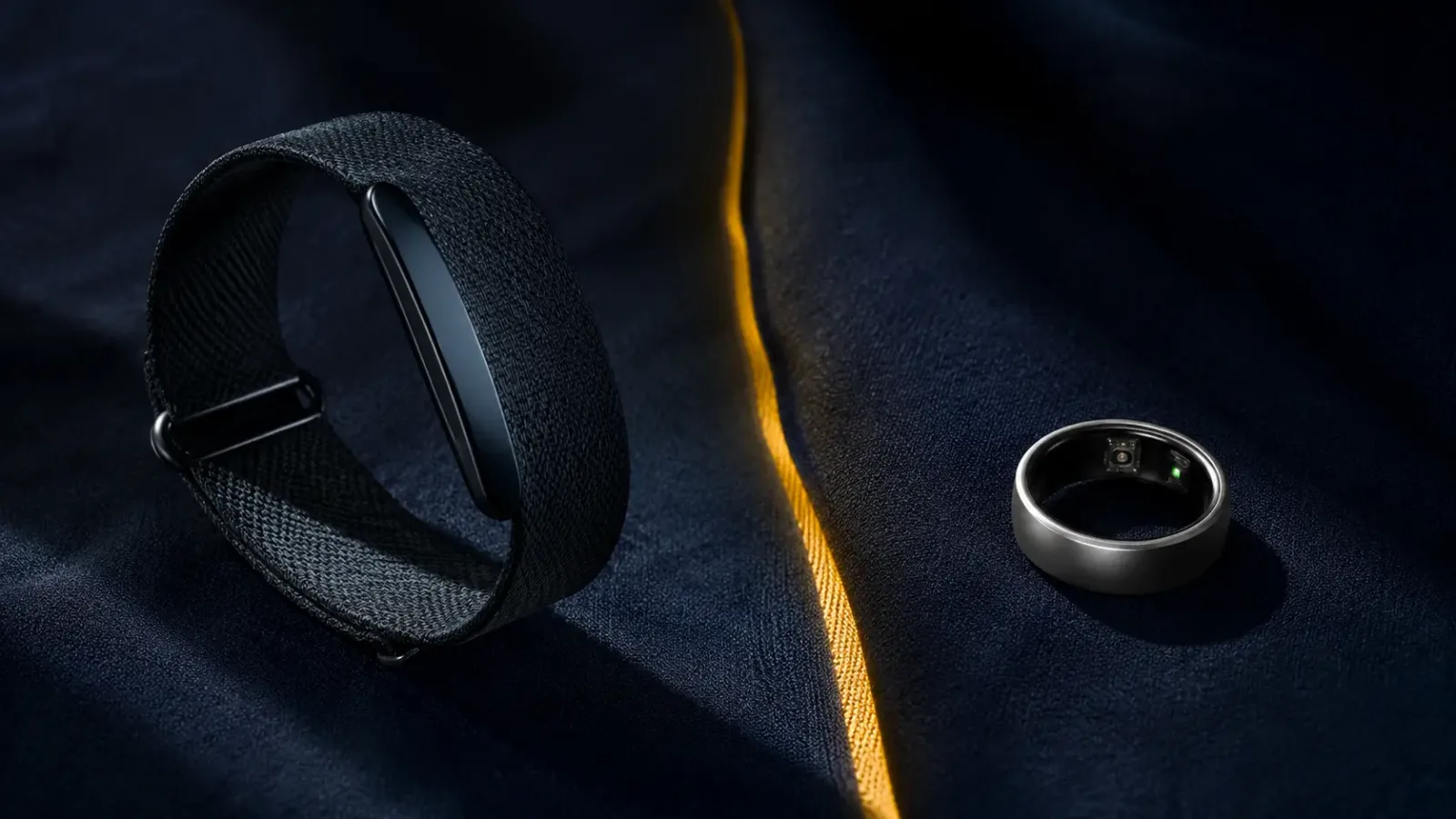
The night shift, wrist edition. Oura runs the same shift from a finger.
After six weeks with a Hume Band on my wrist, the question I get most often is not about Whoop. It is about the ring. Oura made screenless health tracking respectable before most people knew the category existed, and the Ring 4 is a genuinely beautiful object. So this comparison is not a hit job. It is a question of what you are actually buying: a piece of jewelry that tracks, or a tool that disappears.
First, what they both do well
Strip the form factor and these are close cousins. Each is a screenless device built around sleep and recovery rather than notifications. Each tracks:
- Sleep, broken into light, deep and REM stages
- Heart rate and heart rate variability, the backbone of both recovery scores
- Skin temperature trends and blood oxygen
- Daily activity and movement, treated as background data
Neither has a display, and both treat that as the point: the data waits in the app until you want it. Both also share the honest limitation of every consumer wearable, which is that sleep staging is an estimate. A good one, a useful one, but not a lab report, and I have said the same in my sleep wearables guide about every device on it.
Finger or wrist: the form factor question
The ring's pitch is invisibility. It reads as jewelry, nobody asks about it at dinner, and there is nothing on your wrist at all. That is a real advantage if you wear a mechanical watch, or if the gadget look bothers you.
The costs of that invisibility are practical. A ring has to fit precisely, so Oura ships a sizing kit first and the actual ring later. Fingers swell and shrink with heat, salt and sleep, which is part of why the fit matters so much. And a small titanium circle is easy to leave in a gym locker and expensive to replace.
The Band's pitch is the opposite: it is unapologetically a tool. A soft strap you put on and forget. In my six weeks I stopped noticing it by day five, wore it through every night and every shower (IP68, including one shower I forgot it in), and never once thought about losing it, because it was always on the same wrist.
The membership question
Here is the part that decides this fight for a lot of people, so let me state it plainly. Oura sells you the ring, typically from around $349 depending on finish, and then sells you a membership on top, in the range of six dollars a month. Without the membership, the app holds back most of the detailed insights that make the ring worth wearing. It is a smaller toll than Whoop's, but it is still a toll, and it never stops.
The Hume Band lists around $356 and is discounted often (I have seen it near $249). After that, sleep, recovery, heart data and trends are free. There is an optional premium tier with AI insights; I ran the free tier for my entire test and did not feel the absence.
Head to head
| Hume Band 2.0 | Oura Ring | |
|---|---|---|
| Form factor | Wrist band, screenless | Titanium ring, screenless |
| Cost model | Buy once, optional premium | Ring + monthly membership (needed in practice) |
| Battery (advertised) | Up to 14 days (10-11 real, tested) | Up to ~8 days |
| Sleep staging | Light, deep, REM | Light, deep, REM, category-benchmark app |
| Recovery scoring | Yes, HRV-based | Yes ("Readiness"), excellent |
| Blood pressure trends | Yes, directional only | No |
| Gym friendliness | No conflict with bars or dumbbells | Oura suggests removing it for heavy lifting |
| Sizing | Adjustable strap | Sizing kit first, ring second |
| Ecosystem | Pairs with the Hume Body Pod in one app | Oura app only |
| App maturity | Improving, occasional sync quirks | Polished, the best in the category |
The gym test
This deserves its own section because it is where the two philosophies collide with actual iron. Rings and barbells do not get along: knurling chews at metal, metal presses into your palm under load, and Oura's own guidance suggests taking the ring off for heavy lifting. Which means the device tracking your recovery skips the exact activity it most needs to recover you from, or you develop a take-it-off-put-it-on ritual with a $349 object next to a chalk bucket.
The Band just stays on. Presses, rows, deadlifts, the strap never announced itself once in six weeks. If your week includes lifting, this stops being a detail and becomes the answer.
Where Oura wins
- App polish. Oura's sleep and readiness experience is the most refined in the category, full stop. Years of iteration show.
- Discretion. It looks like a ring, not a gadget. For suits, dinners and watch wearers, that is worth something real.
- Research pedigree. Oura's data has been used in published studies, and its scores enjoy wide credibility.
Where the Hume Band wins
- No required membership. The core product is yours after one purchase. Over the years, this is the single biggest difference.
- Battery. Ten-plus real days per charge against Oura's advertised eight.
- Gym life. No conflict with lifting, no removal ritual, nothing precious to scratch.
- Blood pressure trends. Directional rather than medical, but Oura has nothing comparable.
- The ecosystem. The Band tracks what your body does; the Body Pod tracks what it is made of. One app holds both, which neither Oura nor Whoop offers.
Frequently asked questions
Is the Hume Band better than the Oura Ring?
For app refinement and discretion, no. For long-term cost, battery, gym use and subscription-free ownership, yes. The sensors watch the same signals either way.
Does the Oura Ring need a subscription?
Effectively yes. Without the membership, the app withholds most detailed insights. The Hume Band's core data is free after purchase.
Can you lift weights with an Oura Ring?
Oura suggests removing it for heavy lifting, since bars scratch rings and rings bite palms. If you lift several times a week, factor that ritual in honestly.
Which one tracks sleep better?
Both estimate sleep stages from the same kinds of signals. Oura's app presents it better; the Band's morning scores matched how I actually felt on most of my 42 tracked nights. Neither is a lab.
How is the battery on each?
Band: 14 advertised, 10 to 11 real in my testing, one-hour charges. Oura: up to roughly 8 advertised. Both beat any smartwatch; the Band beats the ring.
Does the Hume Band show readiness like Oura?
Yes, it produces an HRV-based recovery score each morning. Oura's version is more polished and more famous; the Band's told the same story on my rough nights, including the one with the wine.
Verdict
Same sensors, two philosophies: Oura is the discreet, beautifully presented option that bills you monthly for its best self. The Hume Band is the unglamorous strap that stays on through the deadlifts and never sends another invoice.
I respect the Oura Ring. It made this whole category credible, and if my days were suits and dinners instead of barbells and a home office, the calculus might flip. But my test unit of the Band is still on my wrist, my full six-week review explains every reason, and the reason on top is simple: it asks for my attention once every ten days at the charger, and for my money exactly once.
Hume runs frequent promotions below list price. 45-day return window.
Keep reading
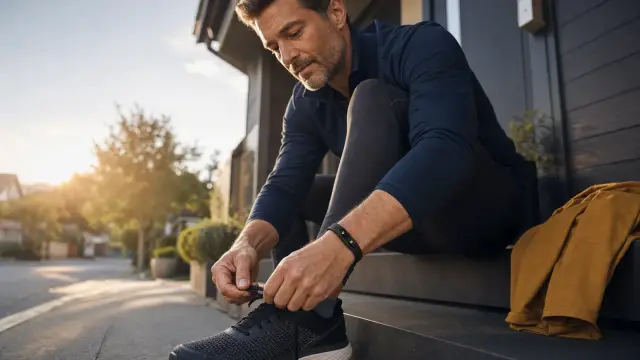 Hume Band 2.0 Review: Six Weeks of Day-and-Night Wear. Worth It?
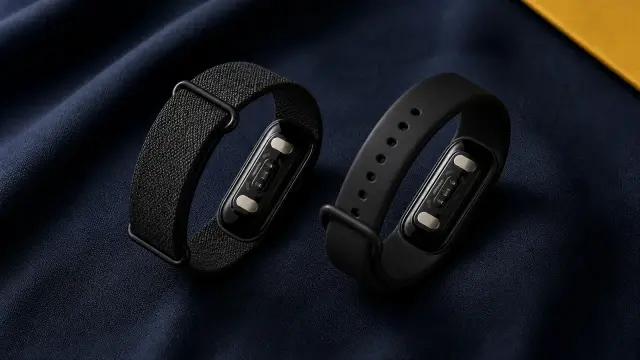 Hume Band vs Whoop: One Difference Decides It for Most People
 The Best Wearables for Sleep and Recovery (2026)
- Hume Health official Hume Band 2.0 specifications and pricing (humehealth.com)
- Oura official ring pricing, membership terms and specifications (ouraring.com), checked July 2026
- Testing notes: six weeks of continuous Hume Band 2.0 wear, free app tier; the Oura Ring was evaluated on specs, policies and owner feedback, not lived with
- Prices and membership terms change often; confirm current terms on each official page before buying.