The Best Fitness Trackers Without a Subscription (2026)
The short answer
Best screenless tracker without a subscription: the Hume Band 2.0. Sleep stages, HRV, recovery and heart data are free forever after one purchase; the premium tier is genuinely optional. I wore one day and night for six weeks on the free tier and missed nothing.
Best with a screen: Garmin, whose Connect app has stayed fully free while rivals built paywalls. The membership products to avoid if fees offend you: Whoop (mandatory) and, in practice, Oura.
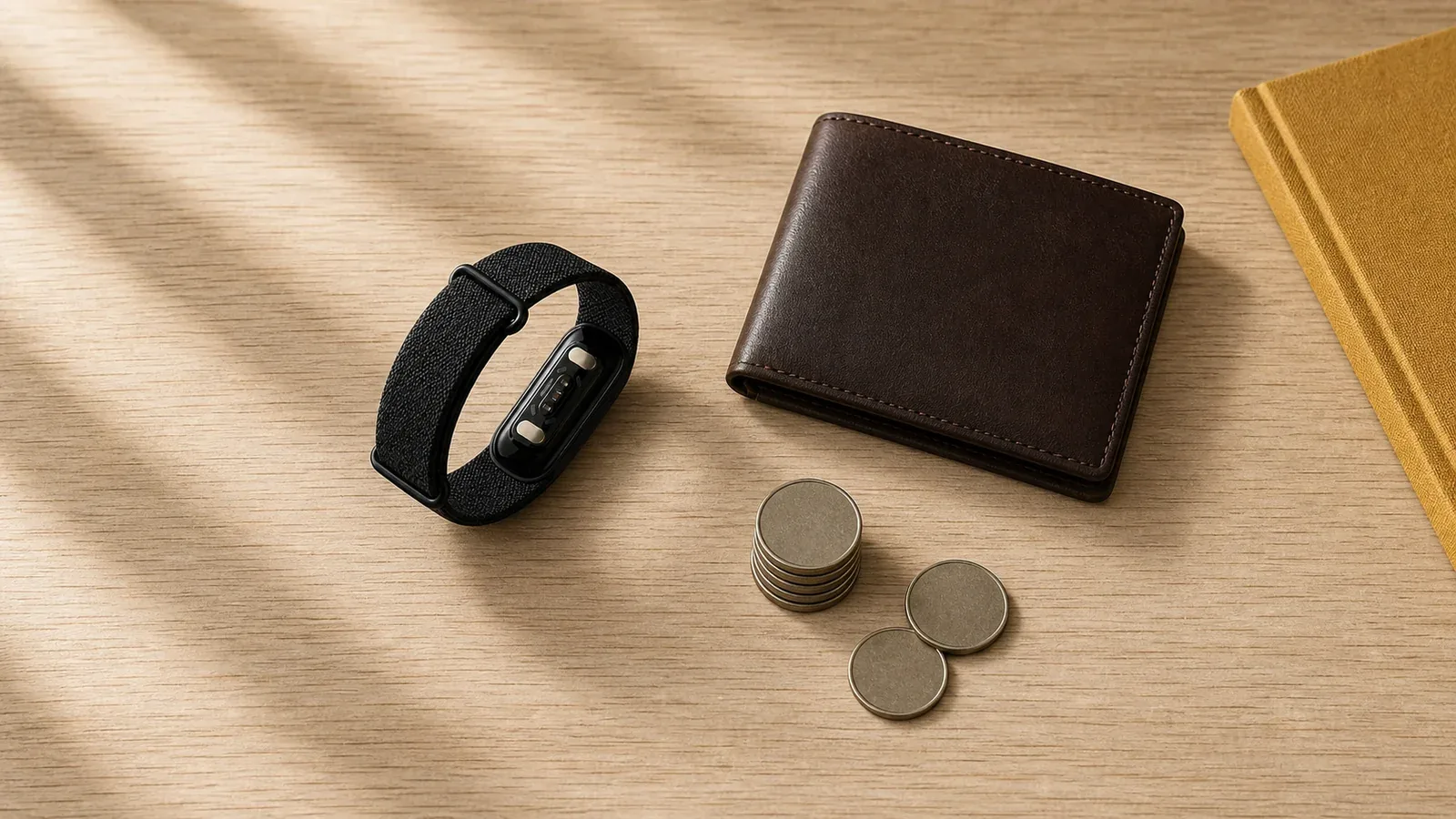
The category's real spec sheet: what stays in the wallet after year one.
Somewhere along the way, the fitness tracker industry noticed that selling you a gadget once is worse business than billing you for your own heartbeat every month. Whoop pioneered the model, Oura perfected the paywall, and Fitbit followed with Premium. This guide is for everyone whose answer to that trend is a polite no.
Why trackers became subscriptions (a 60-second history)
Hardware margins are thin and one-time; subscriptions are fat and forever, and Wall Street prefers the second. So the industry moved the value from the wrist to the paywall: the sensors you bought collect the data, and the membership rents you the interpretation. Sometimes the analytics genuinely justify it, as I wrote honestly in Hume Band vs Whoop. But for most people tracking sleep, recovery and daily health, the free-tier math wins by hundreds of dollars over a few years. Here is what deserves the money.
1. Hume Band 2.0: best screenless tracker, no strings
The Band is the device this site tested longest in this category: six weeks of continuous wear, free tier only, documented in the full review. What is free after purchase: continuous heart rate, HRV, sleep staging, skin temperature, recovery scoring and health trends. What costs extra: an optional AI-guidance tier (~$99/year) that I never felt compelled to enable. Real-world battery ran 10 to 11 days per charge, it survived a forgotten shower (IP68), and it pairs with the Hume Body Pod for composition tracking in the same free app.
The honest cons: step counts run slightly below a phone's, the app occasionally needs a second try to sync, and there is no screen, which is either the entire point or a dealbreaker, and you already know which camp you are in. List price hovers around $356 with frequent promotions near $249.
Core data free forever. 45-day return window.
2. Garmin: best tracker with a screen (and a promise kept)
Garmin deserves genuine credit: while competitors built paywalls, Garmin Connect stayed fully free, from the budget Vivosmart band to the premium Venu watches. Sleep, HRV status, Body Battery, training metrics: no membership, no asterisk. If you want a display, notifications and GPS with zero monthly fees, buy into Garmin and sleep soundly, both literally and financially. The trade-offs against the Hume Band are screen-related: more distraction, shorter battery on the watch models, and you become a person who gets texts on their wrist.
3. Amazfit: the ultra-budget honorable pick
Amazfit's bands and watches routinely land under $100 with the Zepp app free. Sensor quality and software polish sit a tier below the picks above, and sleep data is more approximate, but for a first tracker or a strict budget, it is the honest cheap answer. You get most of the categories of data with less refinement in each.
4. Apple Watch SE: the smartwatch route
No required subscription: sleep, heart notifications, activity rings and a health app that has quietly become excellent all work free. The catch is philosophical and practical: it is a screen strapped to your wrist that charges nightly, which makes it a different product for a different person. If you want a computer on your arm, this is the value pick. If you want a tracker you forget about, see pick number one, or the deeper dive in best wearables for sleep and recovery.
The ones to skip if fees offend you
| Device | Subscription reality | Verdict for fee-avoiders |
|---|---|---|
| Whoop | Mandatory membership; band is useless without it | Skip, however good the analytics |
| Oura Ring | Technically optional, practically required for most insights | Skip unless you budget the fee |
| Fitbit | Free tier exists; Premium pushed hard for depth | Usable free, increasingly nagging |
None of these are bad products. Whoop's training analytics are the best in class, and I said so plainly in the comparison. They are simply the wrong products for the person this guide is for: the one who wants to own their tracker instead of leasing it.
Frequently asked questions
Which trackers are truly subscription-free?
Hume Band 2.0 (core data free), all Garmin devices (Connect is free), Amazfit (Zepp free), Apple Watch (no required sub). Whoop is membership-only; Oura is thin without the fee.
Does Whoop work without paying?
No. The hardware is tied to the membership. That is the business model, stated openly.
Is the Oura Ring subscription mandatory?
Technically you can use an Oura Ring without the membership, but most scores and insights are locked behind it, which makes the no-subscription experience thin enough that we treat it as a membership product in practice.
What am I giving up on free tiers?
Mostly AI coaching and deeper reports. The core signals (sleep, HRV, recovery, heart rate) are the free tier on our top picks, and they are what most people actually check.
Best no-subscription option for serious athletes?
Garmin's higher-end watches, comfortably. Training load, VO2 estimates and recovery tools, all free in Connect.
Bottom line
The best subscription is the one that doesn't exist. Screenless: Hume Band. Screen: Garmin. Budget: Amazfit. Everything else on the market should explain, every single year, what the fee bought you.
Buy the tracker whose free tier already contains what you will actually look at each morning. For me, after six weeks of testing, that was a recovery score next to the coffee and a sleep chart that told the truth about the wine. No invoice required.
Keep reading
 Hume Band 2.0 Review: Six Weeks of Day-and-Night Wear. Worth It?
 The Best Screenless Health Bands of 2026 (It's a Short List)
- Hume Band 2.0: six weeks of hands-on testing on the free tier (full review on this site)
- Garmin, Amazfit, Apple, Whoop, Oura, Fitbit: official subscription policies and app store listings, checked July 2026
- Subscription policies change; confirm current terms before buying any device on this page.
- We hold an affiliate relationship with Hume only; no other brand here pays us anything.