How to Measure Visceral Fat at Home (Without a Clinic)
The short answer
You cannot see or pinch visceral fat, but you can track it at home with three tools: a tape measure used with a proper protocol, the waist-to-height ratio it feeds (below 0.5 is the common rule of thumb), and the visceral rating on a body composition scale, read as a weekly trend.
None of these is a diagnosis. They are honest screening signals, the kind worth bringing to a clinician rather than worrying about alone.
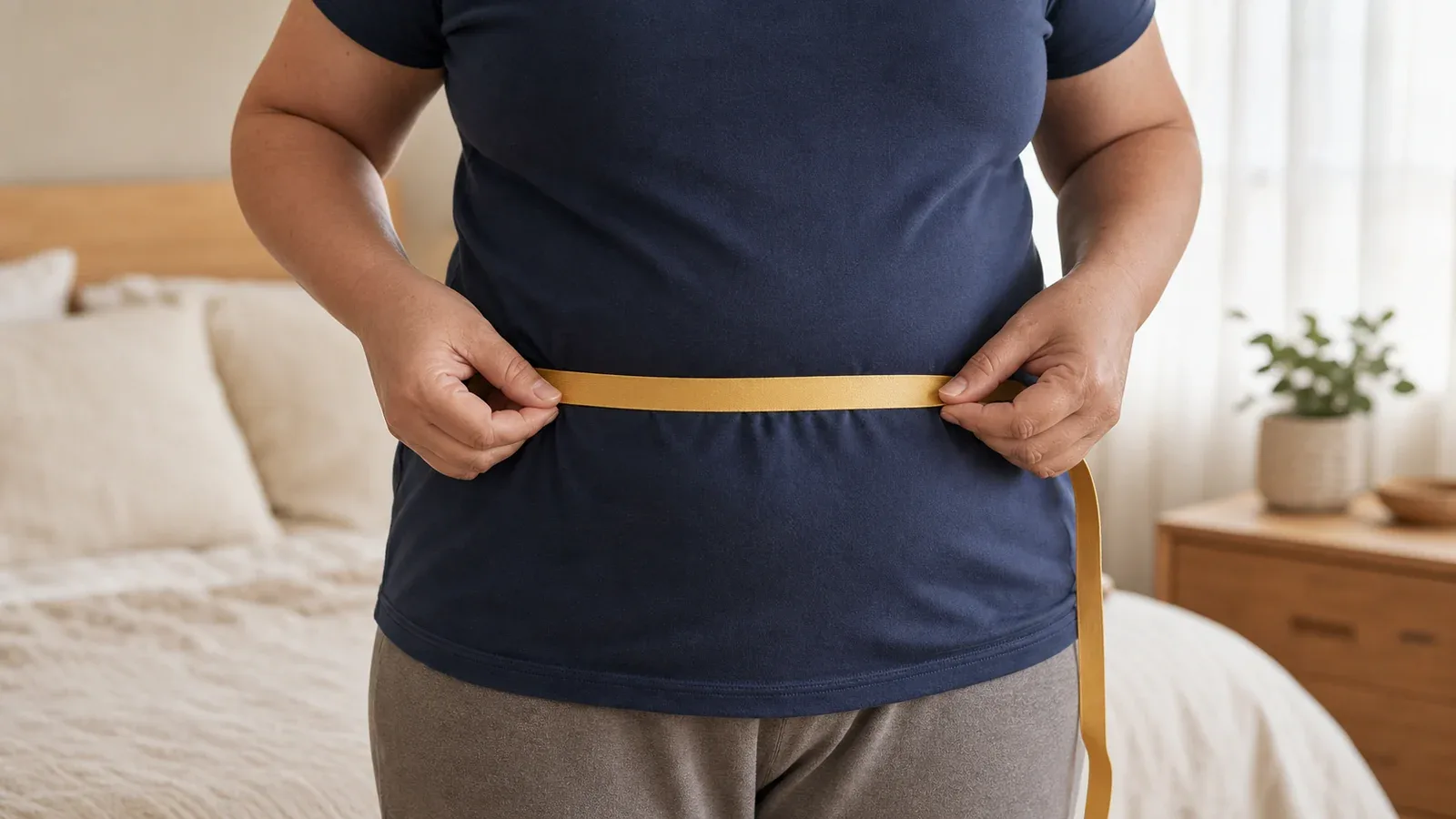
The oldest health tech in the house is still one of the best screening tools for this job.
There are two kinds of belly fat, and only one of them answers when you pinch. The fat under your skin, subcutaneous, is the pinchable kind and mostly a cosmetic story. Visceral fat is the other tenant: packed around the liver, pancreas and intestines, invisible from outside, metabolically loud. Research consistently associates higher visceral fat with elevated cardiometabolic risk, which is why it earns tracking even when the bathroom mirror says everything is fine.
What visceral fat actually is (in 60 seconds)
Think of it as fat with a job in the wrong office. Stored around the organs, it behaves less like inert padding and more like an active gland, releasing compounds that influence inflammation and metabolism. Two people with identical weight can carry very different amounts of it, and a slim person with an expanding waistline can quietly carry more than a heavier person who trains. Weight alone tells you almost nothing about it, which by now is this blog's least surprising sentence.
Method 1: the tape measure, with an actual protocol
Waist circumference is the classic visceral screening measure, and it only works with consistency. The protocol:
- Measure at the level of the navel, directly against skin or one thin layer.
- Stand relaxed. No sucking in, no pushing out. Exhale normally, then read.
- Tape snug but not compressing, parallel to the floor all the way around.
- Same time of day, ideally morning; once a week is plenty.
Commonly used guidance thresholds sit around 40 inches (102 cm) for men and 35 inches (88 cm) for women. Treat those as screening lines, not verdicts: build, height and ethnicity all move individual context, which is exactly the kind of interpretation that belongs with your clinician rather than a chart.
Method 2: waist-to-height ratio (the better rule of thumb)
Divide waist by height, same units. The widely cited target is staying below 0.5, in other words, keeping your waist under half your height. It scales across body sizes better than a fixed waist number, costs nothing, and takes ten seconds once you have the waist measurement from Method 1. A 5'10" person (70 inches) crosses the line at a 35-inch waist; a 5'4" person (64 inches) at 32.
Method 3: the smart scale visceral rating, as a trend
Segmental body composition scales estimate a visceral fat rating through bioelectrical impedance. Honest framing, as always with BIA: the absolute number is an estimate, not an organ scan. What earns its place is the weekly trend measured under consistent morning conditions, one more line on the same chart that already tracks your fat mass and muscle. During my eight weeks testing the Hume Body Pod, the visceral rating moved slowly and in agreement with the tape, which is precisely what a screening trend should do.
The advantage over tape alone is context: waist can shift with bloat and posture, while the combination of tape, ratio and scale trend triangulates the direction with three independent signals. A tape costs nothing, so if a scale is the part you are unsure about, the worth it question is worth answering before you spend.
Tracks visceral rating, fat and muscle trends in one morning measurement.
What only clinics can measure
Precise visceral fat quantification comes from imaging: DEXA scans estimate it well, and CT or MRI measure it directly. If your screening signals trend the wrong way, or you have metabolic health concerns, that is the moment for a clinical conversation, with your home data in hand. I compared home tracking against the clinical gold standard in Body Pod vs DEXA; the punchline is the same here: clinics for precision, home for the weekly reality between visits.
What moves the number (the honest version)
Good news hides in the bad tenant: visceral fat responds to lifestyle faster than the pinchable kind. The consistently supported levers are ordinary, and none of them is a prescription from me: overall fat loss through a sensible deficit, regular activity (both cardio and resistance training, which protects the muscle while the fat leaves), better sleep, and less alcohol. There is no exercise that targets visceral fat specifically, and any product promising to melt it locally is selling you a story.
Frequently asked questions
How do I measure visceral fat at home?
Tape at the navel with a consistent protocol, waist-to-height ratio below 0.5 as the rule of thumb, and a BIA scale's visceral rating tracked weekly. Three signals, one direction.
What waist size is the warning line?
Common screening thresholds: ~40 in / 102 cm (men), ~35 in / 88 cm (women), or waist reaching half your height. Screening lines, not diagnoses.
Are smart scale visceral readings accurate?
They are estimates. The weekly trend under consistent conditions is meaningful; the absolute number is not clinical data.
Why does visceral fat matter more?
It sits around organs and is metabolically active; research associates higher levels with elevated cardiometabolic risk. Interpretation for your case belongs with your clinician.
Bottom line
Three home signals, ten minutes a week: tape protocol, waist-to-height, scale trend. You will know the direction months before a mirror does, and direction is what you can act on.
Visceral fat is the rare health topic where the free tool in your sewing drawer genuinely competes with the gadgets. Use the tape weekly, let the ratio give it context, and if you already track composition, let the scale's trend be the third witness. Then take trends, not anxiety, to the professional who can actually interpret them.
Keep reading
 Losing Fat vs Losing Muscle: How to Tell Which One Is Leaving
 How to Track Fat Loss Accurately (When Every Number Lies a Little)
- Waist circumference and waist-to-height screening thresholds as commonly cited in public health guidance (screening context, not diagnostic)
- General research consensus on visceral adiposity and cardiometabolic risk association
- BIA visceral rating behavior: our 8-week Hume Body Pod test notes