GLP-1 and Muscle Loss: How to See What the Scale Is Hiding
The short answer
When weight comes off fast, on GLP-1 medications or any aggressive deficit, part of what leaves is muscle. Analyses of clinical trial data have suggested lean mass can account for a quarter or more of total weight lost, varying a lot from person to person. A regular bathroom scale cannot show you any of this happening.
The response is not panic. It is measurement plus basics: track body composition weekly instead of just weight, keep protein adequate, lift something a few times a week, and bring real data to your clinician instead of guesses.

The unglamorous toolkit that protects results: a plan, a journal, and data you actually track.
First, my lane: I am not on a GLP-1 medication, and I will not pretend otherwise for a story. What I know is measurement. I have spent months testing body composition tools, and the question that arrives in my inbox most often now comes from readers on semaglutide or tirzepatide: "the scale says it's working, so why do I feel weaker?" This article is the answer I wish I could send each of them individually.
Why muscle leaves with the fat
Nothing sinister is happening. The mechanism is old-fashioned: these medications work largely by reducing appetite, which creates a large calorie deficit. In any large deficit, the body draws on both fat stores and lean tissue, and the less protein you eat and the less you use your muscles, the more of the loss comes from lean mass. Appetite suppression makes both problems easier to fall into. When food barely interests you, protein intake quietly collapses, and low energy makes training easy to skip.
How much lean mass? It genuinely varies. Analyses discussed around the major clinical trials have suggested lean mass can make up roughly a quarter, sometimes more, of total weight lost, with the number swinging widely based on protein, resistance training, age and starting point. The precise figure for you is unknowable from a headline, which is rather the point of this article: measure, don't guess.
Why it matters after the medication
Muscle is not just strength. It is a large share of your resting metabolism, your insurance against falls and frailty later in life, and the tissue that helps regulate blood sugar. Lose a lot of it during weight loss and two things follow: maintaining the new weight gets harder, because your body burns less at rest, and the "after" you worked for is weaker than it looks.
This is why the goal worth writing on a sticky note is not "lose 40 pounds." It is "lose 40 pounds of mostly fat." Same scale number, very different bodies.
The blind spot in your bathroom
Here is the uncomfortable math a regular scale hides. Say you lose 3 pounds in a month. If that is 3 pounds of fat, excellent. If it is 2 of fat and 1 of muscle, the scale shows the identical victory while a third of your loss came from the tissue you most need to keep. Week after week, a normal scale cannot tell these stories apart, and neither can you, until strength or energy makes it obvious late.
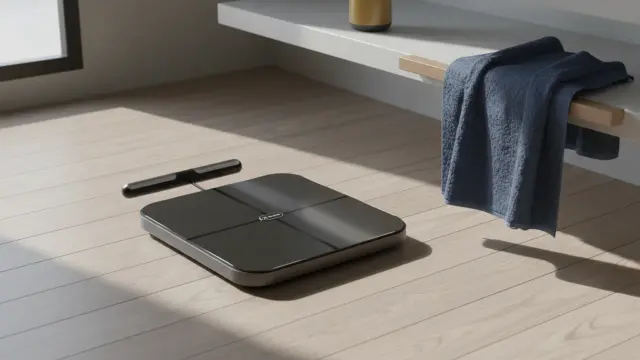
Clinics solve this with periodic DEXA scans, which remain the reference standard and cost $40 to $150 per visit. The home solution is a segmental body composition scale, which estimates fat and muscle separately through electrodes at your feet and hands. I tested the leading option for eight weeks in my Hume Body Pod review, and compared the two approaches honestly in Body Pod vs DEXA. Short version: DEXA for precision snapshots, the home scale for the weekly trend line, which is exactly the data a GLP-1 journey lacks.
How to track composition at home, properly
- Measure under identical conditions. Morning, after the bathroom, before food or coffee, every time. BIA scales read through your body water, and inconsistency creates noise that looks like drama.
- Watch weeks, not days. Single readings wobble. The weekly averages of fat mass and muscle mass are the two lines that matter.
- The pattern to act on: fat mass falling while muscle holds roughly steady is the goal. Fat and muscle falling together, week after week, is the pattern worth discussing with your clinician and adjusting around.
- Log it somewhere your clinician can see. The Hume app exports and syncs (Apple Health, Google Health Connect); a screenshot per week into a note works fine too.
The segmental scale from our 8-week test. Wellness estimates, best read as weekly trends.
The protection basics (and who sets your targets)

The most evidence-backed muscle insurance available, and it lives in your living room.
None of what follows is a prescription. These are the basics consistently discussed by clinicians and dietitians for preserving lean mass during weight loss, listed so you can ask better questions:
- Protein, deliberately. Appetite suppression makes adequate protein genuinely difficult; when you barely want food, what little you eat needs to count. Many clinicians suggest raising protein priority during rapid loss. The right daily target for you comes from your prescriber or a registered dietitian, not from a blog, mine included.
- Resistance training, two to three times a week. The signal that tells your body the muscle is still needed. It does not require a gym; light dumbbells, bands or bodyweight at home count. Clear any new exercise program with your clinician first, especially if you have joint or heart considerations.
- Sleep, boringly. Recovery is when the protecting happens. (If sleep tracking helps you take it seriously, that is a different device's job.)
Bringing data to your clinician
The quiet superpower of tracking is what it does to appointments. "I feel weaker" is a vibe; "my muscle mass trend dropped four weeks straight while fat held steady" is something a professional can act on, whether that action is a protein plan, a training referral or a treatment adjustment. You are not diagnosing yourself. You are arriving with better evidence, and every good clinician prefers that patient.
Frequently asked questions
Do GLP-1 medications cause muscle loss?
Rapid weight loss from any cause includes some lean mass. Trial-data analyses have suggested a quarter or more of GLP-1 weight loss can be lean mass, varying widely by person and habits. The deficit and low protein are the usual drivers, not a direct effect on muscle. Ask your prescriber about your case.
How do I know if it's happening to me?
Only measurement can tell you: periodic DEXA, or a home segmental scale tracked weekly under consistent conditions. Strength trends in daily life are a rough backup signal.
What protects muscle during the loss?
Adequate protein, resistance training a few times weekly, and sleep, with your specific targets set by your prescriber or a dietitian.
Best scale for tracking this?
A segmental one with hand electrodes; foot-only scales estimate the upper body. The Hume Body Pod is the one we tested for eight weeks, and the full ranking covers alternatives.
Should I stop my medication if I see muscle loss?
No. Never change or stop a prescription on your own. Bring the data to your prescriber; that conversation is what the tracking is for.
Bottom line
The weight loss you keep is the fat loss. Muscle is your metabolism, your strength and your future independence. Track it weekly, feed it protein, give it a reason to stay, and let your clinician see the data.
GLP-1 medications have changed what is possible for a lot of people, and this article is not here to cheer or scold about that. It is here because the scale in most bathrooms measures the wrong thing for this journey, and the difference between "lost 40 pounds" and "lost 40 pounds well" is invisible without better data. Get the data. The rest of the conversation belongs to you and your doctor.
45-day return window. Wellness device; not a medical instrument.
Keep reading
 Hume Body Pod Review: I Tracked My Body for 8 Weeks. Here's the Truth
 Hume Body Pod vs DEXA Scan: What's the Real Accuracy Difference?
- Published analyses and clinical commentary around lean mass changes in GLP-1 trials (figures vary by study; ranges cited here are indicative, not individual predictions)
- General clinical guidance on protein and resistance training during intentional weight loss
- Body composition tracking methodology: our 8-week Hume Body Pod test and DEXA comparison
- HumeCare+ availability and eligibility: official program terms (US only, 18+, medical evaluation required)